Ha Giang in December and Winter: What the Loop Is Really Like
By Nexus Guide Team
Yes, you can ride the Ha Giang Loop in winter. Here's how cold it really gets on the plateau, what fog and frost mean for your day, and what to wear on the bike.
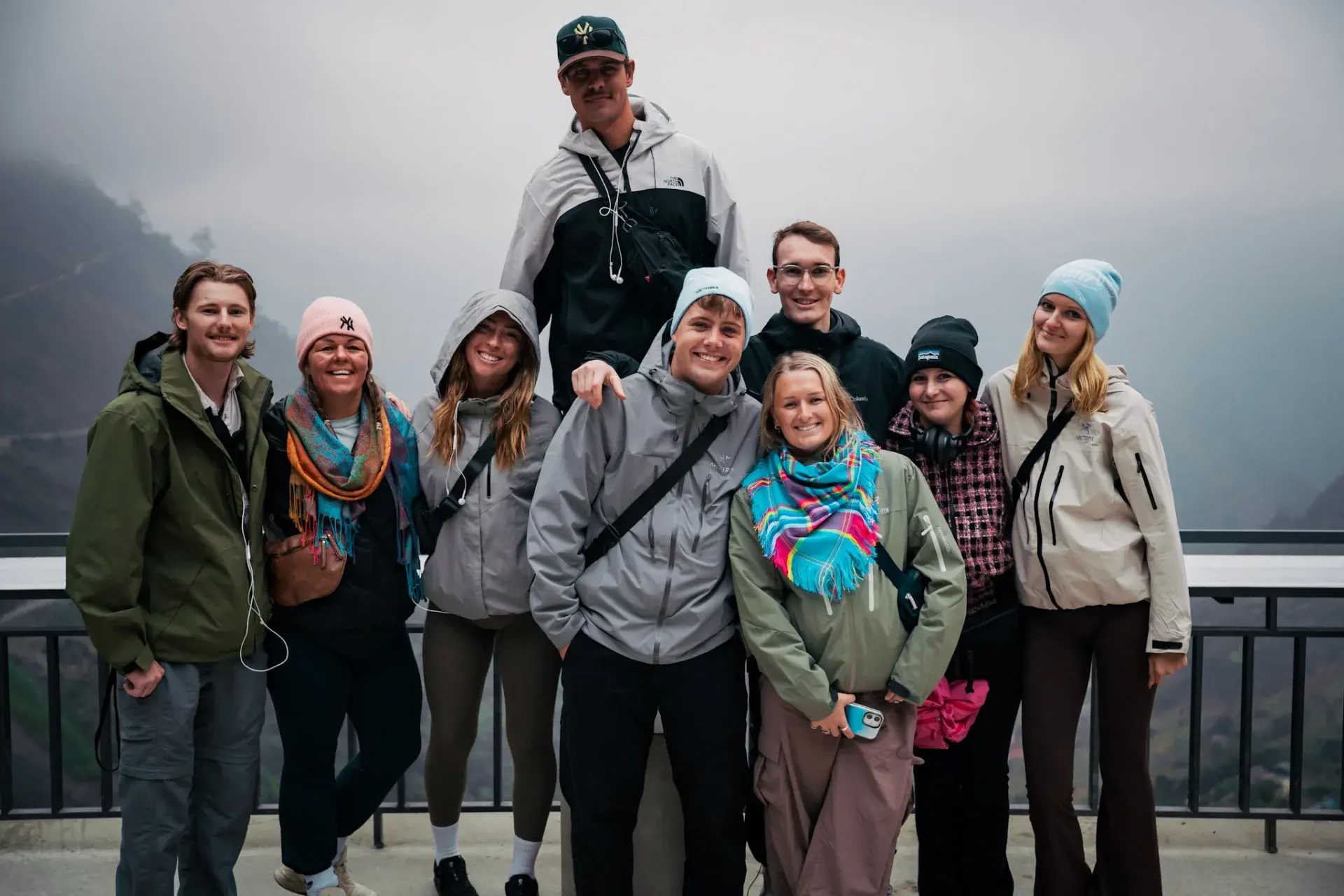
Yes, you can do the Ha Giang Loop in December, January and February. Lots of people do. It is cold, though, and colder than most travellers expect when they're packing in Hanoi or Bangkok.
The short version: Ha Giang City is mild, the high plateau around Dong Van and Meo Vac is properly cold, and on a motorbike it feels colder again. Get your layers right and winter is one of the clearest, quietest times to ride.
How cold Ha Giang gets in winter
The Loop climbs a lot. Ha Giang City sits low in the Lo River valley. By the time you reach Dong Van and Meo Vac you're on a limestone plateau well over 1,000 metres up. That height difference is the whole story.
- Ha Giang City: around 16–22°C in the day, around 10–14°C at night and early morning.
- Quan Ba, Yen Minh, Du Gia: around 12–18°C in the day, and nights can drop below 10°C.
- Dong Van, Meo Vac, Lung Cu: around 10–15°C in the day, often 3–8°C at night and early morning, near 0°C in a cold snap.
These are typical ranges, not promises. A cold front from the north can push the plateau down to freezing for a few days. A sunny spell can make a December afternoon in Dong Van feel like a nice spring day. Check the forecast for Dong Van (not just "Ha Giang") a day or two before you go.
December and January are usually the coldest months. February starts to warm up slowly, but early mornings stay cold.
Why it feels colder on the bike
This is the part people underestimate. Ten degrees standing still is fine in a jacket. Ten degrees at 40 km/h on a mountain pass, in the shade, for two hours, is a different thing. Your hands and knees go first.
It doesn't matter much whether you ride yourself or sit behind an Easy Rider. Passengers actually get cold faster, because they're not moving or working the controls.
What to wear on the Loop in winter
Think layers you can add and remove at every stop, not one big coat.
- Base layer: thermal top and leggings. This makes the biggest difference for the least space.
- Middle layer: fleece or a light down jacket.
- Outer layer: something windproof. A rain jacket works well because it blocks wind too.
- Gloves: proper ones, not thin touchscreen gloves. Cold fingers make for a miserable afternoon.
- Neck warmer or buff: it keeps wind off your neck and you can pull it up over your face.
- Warm socks and closed shoes. No sandals in winter.
- Something warm for the evening: homestays are rarely heated, and you'll want a hoodie and long trousers for dinner.
If you forget something, Ha Giang City has shops selling cheap gloves, hats and thermal layers. Buy them in town before day one, not on the plateau.
On Nexus tours, helmets, protective gear and rain gear are included. Warm clothes are up to you. Our packing list covers the rest.
Fog: the biggest thing that changes your day
Winter mornings on the plateau are often foggy. Sometimes it's a thin mist sitting in the valleys, which looks amazing. Sometimes you can't see ten metres past the bike.
A few things worth knowing:
- Fog often lifts by late morning. Views that are white at 8am can be clear by 11am. Patience pays off at viewpoints like Ma Pi Leng.
- Fog on the road is a safety issue, not just a photo issue. Riders slow right down, and if you're riding yourself, you should too. Turn your lights on.
- Clear winter days are very clear. When the sky opens up after a cold front, the visibility is some of the best of the year.
If you're riding yourself, read our safety tips first. Winter is not the season to learn mountain riding.
Frost, ice and snow: what's realistic
- Frost: possible on the coldest mornings at high points, especially in late December and January. You might see it on grass and roofs around Dong Van or Lung Cu.
- Ice on the road: rare, but it can happen in shaded bends at altitude during a strong cold snap. This is one reason good riders don't leave too early on very cold mornings.
- Snow: don't plan your trip around it. It happens in some winters on the highest ridges, usually for a day or two, and it makes the national news when it does. Most winters it doesn't snow on the Loop at all.
What you'll see in winter
Winter doesn't have the purple buckwheat fields of October and November, but it's not empty either.
- Yellow and white mustard flowers appear in fields in December, often in small patches around villages and terraces.
- The last buckwheat can hang on into early December in some spots, but don't count on it. Our buckwheat guide explains the timing.
- Peach and plum blossoms start in January and peak around Tết (Lunar New Year), which falls on 6 February 2027.
- Bare limestone and long views. With less green, the shapes of the mountains stand out more. A lot of photographers prefer it.
- Smoke from kitchen fires and corn drying in the rafters. Village life looks different in the cold months, and homestay evenings around the fire are a highlight for many people.
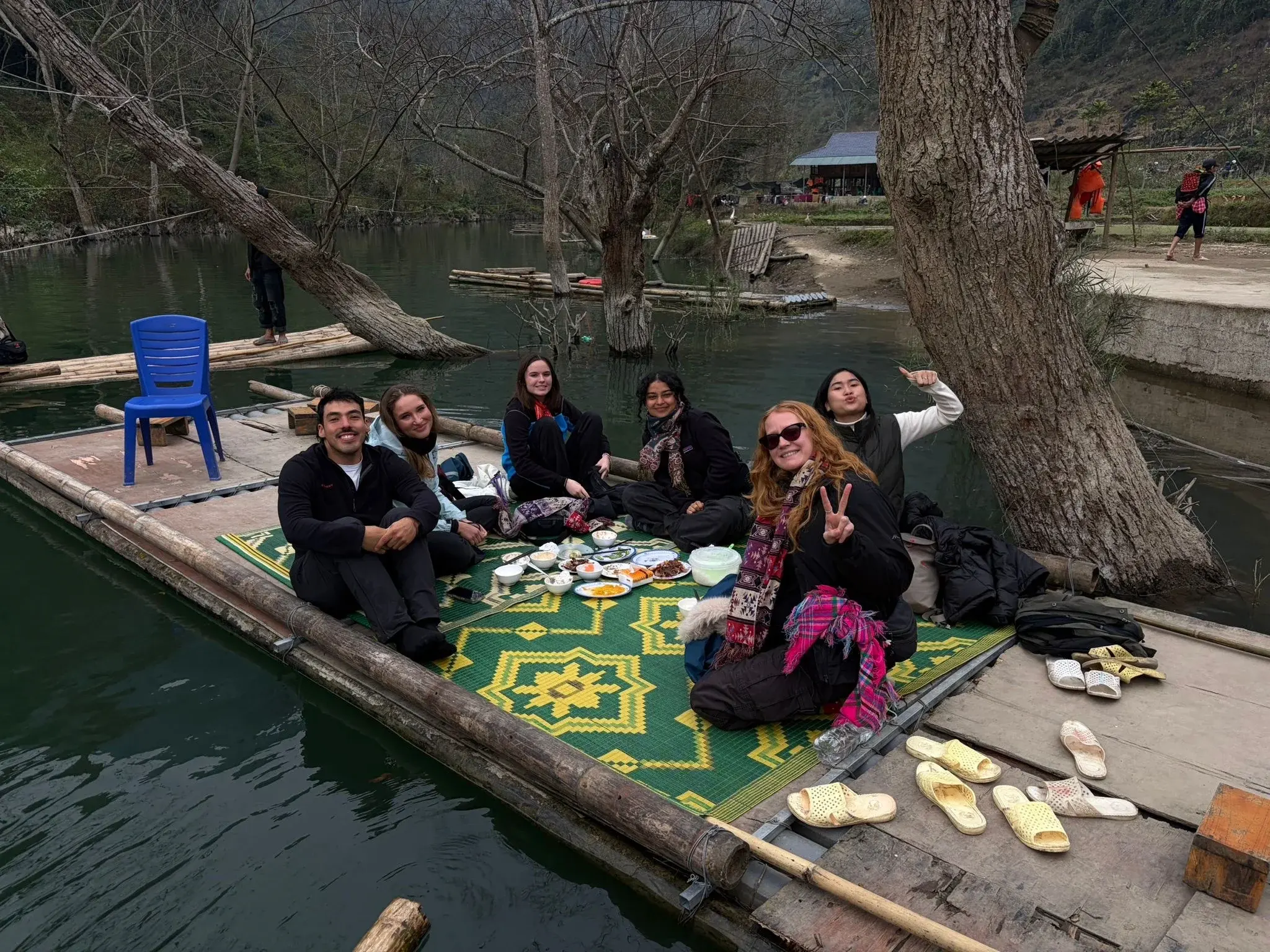
Is winter busy?
December is quieter than the October–November flower season. A few dates are different:
- New Year (1 January 2027) is a Friday, so there's a long weekend. Expect more Vietnamese travellers on the road and at Dong Van.
- Tết (around 6 February 2027) is the busiest time of the winter. Many Vietnamese families travel, roads get crowded, some local businesses close for a few days and prices go up. Book early if your dates fall around Tết.
Short days
It gets dark early in winter, before 6pm. Days on the bike are already long, so starts are early and there's less room for slow afternoons. Riding on mountain roads in the dark, in fog and cold, is something to avoid.
Arriving in winter
Most night buses from Hanoi reach Ha Giang between 3 and 5am. In summer that's annoying. In December, waiting outside at 4am in the cold is genuinely unpleasant. Read our sleeper bus tips and sort out where you'll go when you get off the bus.
Nexus opens in Ha Giang City on 1 December 2026. Guests on our Loop tours get a dorm bed on arrival day, so early buses aren't a problem.
Who winter suits
Go in winter if you:
- Don't mind cold mornings and can pack properly.
- Like quieter roads and clear, sharp views.
- Want to see village life without the peak-season crowds.
Think twice if you:
- Hate the cold and only packed for Southeast Asia.
- Want to ride yourself without much experience. Fog and cold make the roads harder.
- Are mainly coming for flower fields. October–November is better for that.
Still deciding on dates? Our guide to the best time to do the Ha Giang Loop compares every month.
Frequently asked questions
How cold is Ha Giang in December?
Ha Giang City is mild, around 16–22°C in the day. The high plateau around Dong Van and Meo Vac is around 10–15°C in the day and often 3–8°C at night, close to 0°C in a cold snap. On the bike it feels colder again.
Can you do the Ha Giang Loop in winter?
Yes. Many travellers ride the Loop in December, January and February. Pack proper layers, expect foggy mornings on the plateau and plan for early sunsets.
Does it snow on the Ha Giang Loop?
Rarely. Snow falls on the highest ridges in some winters, usually for a day or two. Most winters it doesn't snow on the Loop at all, so don't plan your trip around it.
What should I wear for the Ha Giang Loop in winter?
Layers: a thermal base layer, a fleece or light down jacket, and a windproof outer layer. Add proper gloves, a neck warmer, warm socks and closed shoes, plus something warm for unheated homestay evenings.